

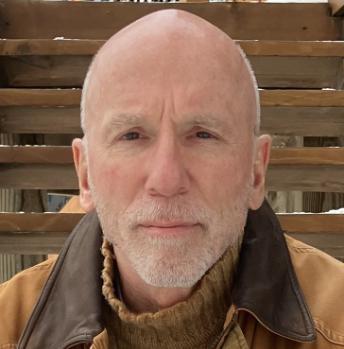
Candidate for Michigan State Senate - District 20 in 2026 Michigan General Election.
View your personalized ballot, check your voter registration, make a plan to vote, and research every name and measure on the ballot with BallotReady.
Get StartedInstitute young 5’s programs in all school districts across the State to allow all children a more beneficial transition to their education and give them a greater foundation for success. Such programs would also lessen the burden on parents who start their children early to avoid increasingly expensive childcare. Learn more
Expand vocational educational programs throughout the state to create labor-ready skills. Learn more
Create a graduation requirement for a “life-skills” class to better prepare our graduates for the responsibilities of adulthood. Learn more
Increase affordable housing options for our citizens. The 20th District’s Median income is 74,000. However, 34% of our households live on incomes under 50,000. Another 30% of the households have family incomes between 50,000 and 100,000. The median value of owner-occupied housing is 253,000. The average monthly expense for a 2-bedroom apartment is approximately 1,200. Applying the rule-of-thumb of housing accounting for 30% of a family’s gross income here is the result. On a 30-year fixed mortgage at 6% interest along with taxes and insurance; the homeowner would have monthly housing expense of approximately 2,000, or 24,000 annually and the family would require an annual gross income of 80,000. Resulting in a deficit of 6,000. Learn more
The annual gross income for the renter would need to be 48,000. Clearly this is a problem. It is essential that we work with all stakeholders - builders, community zoning boards and the State to streamline the process and incentivize builders to address the issue in a responsive and responsible way. (statistics from the 2024 Census update). Learn more
Increase hiring and retention of certified teachers by paying them a living wage. Since the pandemic, teacher attrition has reached crisis proportions with seasoned teachers leaving the profession. Shortages of teachers are over 30% causing districts to increasingly rely on non-certified teachers. (Michigan State University’s Education Policy Innovation Collaborative (EPIC)) research. The research also indicates the most acute teacher shortages occur in urban and rural schools. Our teachers’ average starting salary of 41,600 is almost 12% lower than the national average and approximately 13,000 below what is considered a middle class salary for our State. Adjusting for inflation our teachers’ salaries have fallen by 16% over the past 10 years. Learn more
View your personalized ballot, check your voter registration, make a plan to vote, and research every name and measure on the ballot with BallotReady.